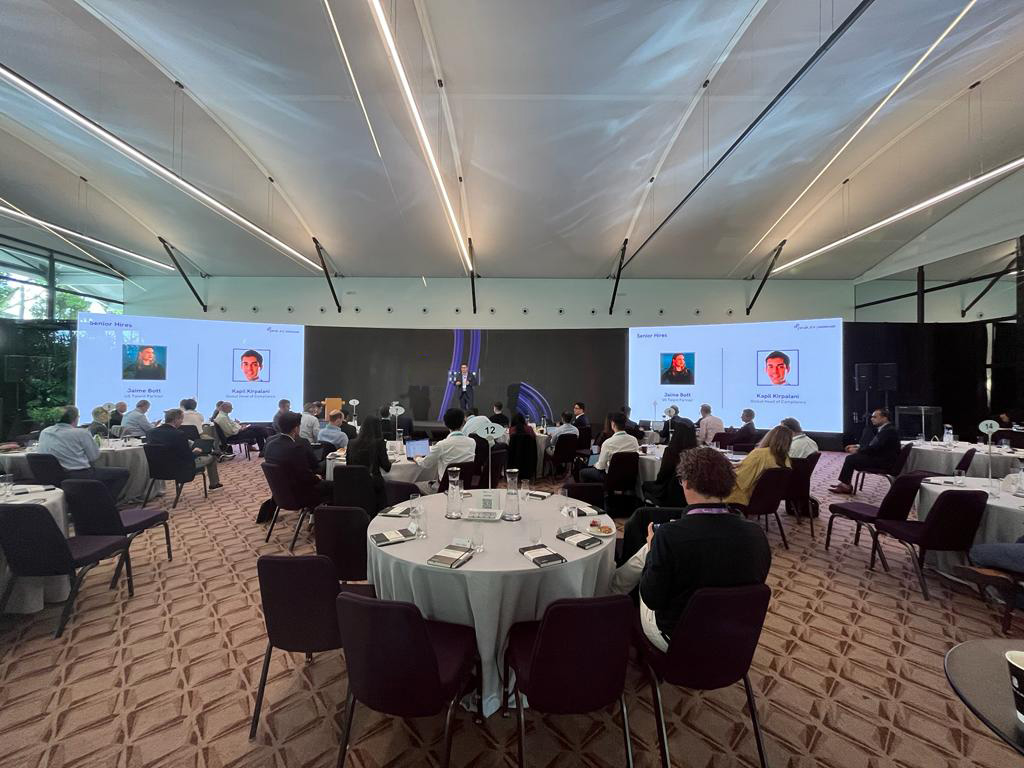
Why AV Is Critical for Trade Show Success
At Singapore's major trade shows—whether at Suntec City Convention Centre, EXPO, or other venues—thousands of visitors walk past countless booths every day. Your booth has seconds to capture attention. Strategic use of audio-visual technology is often the difference between a booth that attracts crowds and one that gets walked past.
Effective trade show booth AV serves multiple purposes: it attracts foot traffic, communicates your value proposition, facilitates product demonstrations, engages visitors, and creates memorable brand moments. Poorly implemented AV (dark booths, inaudible audio, confusing displays) undermines your investment in the booth itself.
Tip 1: Choose Between LED Wall and Monitor Displays
When to Use an LED Video Wall
LED walls are attention-grabbing and ideal for high-traffic, well-lit exhibition halls. A video wall displaying dynamic content, product videos, or brand messaging cuts through the visual chaos of the trade show floor. LED walls are visible from 10+ meters away, drawing visitors from across the hall.
Choose an LED wall if:
- Your booth is in a high-traffic central location
- You want to create immediate visual impact
- You'll display dynamic videos or animated content
- You have a larger booth (6x6m or bigger)
- Budget allows (LED walls are more expensive)
Professional brands like Barco or Panasonic LED walls deliver the quality expected at premium trade shows. A bright, sharp video wall makes a powerful brand statement.
When to Use Traditional Monitors/Displays
Multiple 55-inch or 65-inch LED monitors arranged in a grid or wall formation offer cost advantages and flexibility. Monitors work well if:
- Your booth displays static graphics, product images, or slideshows
- You're on a constrained budget
- You want flexibility to reposition displays between trade shows
- Your booth is smaller (under 6x6m)
Multiple monitors create visual impact through sheer number and scale without the cost of an LED wall. For modest products or simpler messaging, this approach works effectively.
Hybrid Approach
Some booths use a large LED wall as the focal point with smaller monitor displays for detailed product information. This combines attention-grabbing impact with flexibility and information depth.
Tip 2: Master Sound Containment for Booth Audio
A critical difference between trade show booth AV and venue AV is sound management. In a conference hall, speakers use one PA system for the entire room. In a booth, you must contain your audio to your booth area without disturbing neighboring booths (who are understandably frustrated by your product audio bleeding into theirs).
Directional Speaker Placement
Position speakers inside your booth pointing toward the visitor area, not toward adjacent booths. Use horn speakers or directional arrays that focus sound toward where you want it—inside your booth—rather than spreading it omnidirectionally.
Volume Control
Set booth audio to comfortable conversation level (around 75–80 decibels), not the blaring volume some booths unfortunately use. Visitors want to hear your product demo and talk with your staff, not be assaulted by noise. Moderate, well-controlled audio is more professional and more effective.
Audio Content Strategy
Rather than continuous loud product videos, consider:
- Looping 30–60 second product demos on silent video with occasional audio narration
- Ambient music at low volume to create a pleasant booth atmosphere
- Sound activated by visitor presence (motion sensors trigger audio when people enter booth)
- Interactive kiosks with individual headphones for detailed audio content
Acoustic Booth Design
Work with your booth designer on acoustic considerations. Booth materials, height, and configuration can help contain sound. Some trade show booths are designed with sound-absorbing materials specifically to manage audio spillover.
Tip 3: Implement Interactive Displays for Engagement
Static displays attract attention, but interactive displays engage visitors and create memorable experiences. Interactive AV transforms visitors from passive observers to active participants.
Touchscreen Kiosks
Interactive touchscreen kiosks allow visitors to explore products, view specifications, access catalogs, or input information for lead generation. Kiosks positioned at booth entrance or in key areas encourage engagement.
Design kiosk content carefully: intuitive navigation, clear calls-to-action, ability to capture visitor information (email, name) for follow-up. A well-designed kiosk increases leads and qualifies visitor interest.
Live Product Demos
If your product is visual (software, machinery, artistic work), live demonstrations are more compelling than videos. AV enables:
- Large screen display of software/digital product so all booth visitors see details
- Live-camera capture of physical product or performance for magnified display
- Before-and-after displays showing product results
Augmented Reality (AR) Experiences
For cutting-edge brands, mobile AR experiences where visitors use their phone to view augmented versions of your product create buzz and social media moments. This is beyond typical trade show AV but worth considering for innovation-focused industries.
Tip 4: Use Strategic Lighting to Showcase Products
Exhibition hall lighting is typically harsh and unforgiving. Strategic booth lighting highlights your products, creates ambiance, and helps your booth stand out visually.
Product Lighting
Focus lighting on products themselves—display lights that illuminate products from advantageous angles, reduce shadows, and showcase product finish/quality. This is particularly important for luxury goods, fashion, jewelry, or any visual product.
Accent and Uplighting
Uplighting of booth structure, signage, or architectural elements creates a professional, polished appearance. Colored uplighting can reinforce brand colors and create visual distinction from surrounding booths.
Visitor Zone Lighting
Adequate lighting in the visitor seating area encourages people to linger and engage. Dark, poorly lit booths feel uninviting. Bright, well-lit booths feel welcoming and professional.
LED Lighting Advantages
Modern LED lighting allows color control, dimming, and patterns to create dynamic visual effects. Programmed lighting can create a gradually brightening effect to draw attention or pulse during key moments. Professional lighting design significantly enhances booth visual impact.
Tip 5: Plan Power Distribution Carefully
Trade show booths are notorious for power challenges. Video walls, monitors, lighting rigs, sound systems, and interactive kiosks consume substantial electrical power. Planning power before your booth setup prevents day-of complications.
Calculate Total Power Draw
Sum the electrical requirements of all AV equipment. A typical booth might use 30–50 amps of electrical service. Confirm your booth allocation with the exhibition management before ordering equipment. Some large booths require dedicated electrical service beyond standard booth power.
Uninterruptible Power Supply (UPS)
Trade show power can be unreliable. A UPS (battery backup) ensures your displays stay on if power flickers. This prevents loss of your booth presentation and maintains a professional impression even during electrical hiccups. A 5–10kVA UPS is appropriate for most trade show booths.
Cable Management
Run all power cables through the floor on cable covers or tape to prevent tripping hazards and maintain a professional appearance. Messy, exposed cables undermine the quality impression of your booth.
Tip 6: Design a Pre-Show AV Checklist
- Confirm all AV equipment arrives at venue before setup begins
- Test all displays (LED walls, monitors) for power and video signal
- Verify video playback content loads correctly on all displays
- Test all audio systems for power, signal routing, and output
- Test interactive touchscreen kiosks for functionality
- Verify all lighting fixtures power up and function
- Test all microphones or audio equipment staff will use
- Walk through booth from visitor perspective—can they hear/see everything clearly?
- Confirm backup power (UPS) is functional
- Program lighting sequences if using automated lighting changes
- Establish daily power-down and power-up procedures
- Brief booth staff on how to restart AV equipment if it fails
- Confirm contact information for AV support if issues arise during trade show
Tip 7: Execute Setup Logistics at Singapore Trade Show Venues
Suntec City Convention Centre
Singapore's largest convention venue has excellent technical infrastructure. Confirm booth power allocation with Suntec early. Lead-time for complex AV setups is typically 2–3 days, so schedule accordingly. Suntec has partnered AV providers; check if your setup must coordinate with their technical team.
Singapore EXPO
EXPO can accommodate large-scale trade shows and generally allows third-party AV vendors. Verify electrical specifications and data line availability before finalizing your booth AV plan. Allow 3–4 days for complex installations.
General Singapore Trade Show Logistics
- Book AV equipment and installation 4–6 weeks before trade show
- Confirm all content (videos, graphics) finalized 2 weeks before setup
- Provide venue with detailed AV equipment specs and power requirements
- Arrange for dedicated AV technician to be on-site during booth setup
- Plan for technical support throughout the trade show (overnight staffing if show runs multiple days)
- Schedule breakdown immediately after show ends—don't leave equipment overnight if not required
Content Strategy for Trade Show Displays
Video Content: 30–90 second looping product videos work better than 5-minute pieces. Visitors won't watch long content, but a compelling short demo is memorable.
Static Graphics: If using monitors for static display, create professional graphics that clearly communicate your value proposition. High-resolution images of your products look better than low-resolution photos.
Lead Capture: If using interactive kiosks, design them to capture visitor information (email, company, interest) for follow-up. This is often the trade show's primary goal.
Brand Consistency: Ensure all AV content (colors, fonts, messaging) aligns with your brand identity. Inconsistent or poorly designed AV undermines brand perception.
Budget Considerations
Trade show booth AV budgets vary widely:
- Basic booth (small display, single monitor): $1,000–$3,000
- Medium booth (multiple monitors, lighting, interactive elements): $3,000–$8,000
- Premium booth (LED wall, sophisticated lighting, full interactive suite): $8,000–$20,000+
Budget should account for: equipment rental, installation labor, content creation, staffing during show, and contingency for technical issues.
Conclusion
Successful trade show booth AV combines strategic equipment choices, professional installation, engaging content, and careful logistical planning. By implementing these seven tips—choosing the right display technology, managing sound effectively, creating interactive engagement, using strategic lighting, planning power requirements, executing detailed pre-show checklists, and coordinating logistics—you'll create a booth that attracts visitors, communicates effectively, and generates leads for your business.
Your AV provider should be a strategic partner in this planning process, bringing experience from successful booths at Singapore's major trade shows and the ability to navigate venue-specific technical requirements.
Plan your next event with AVL Services
Our team handles everything from pre-event planning through technical rehearsal to day-of execution — for corporate events, weddings, concerts, exhibitions and hybrid productions across Singapore.